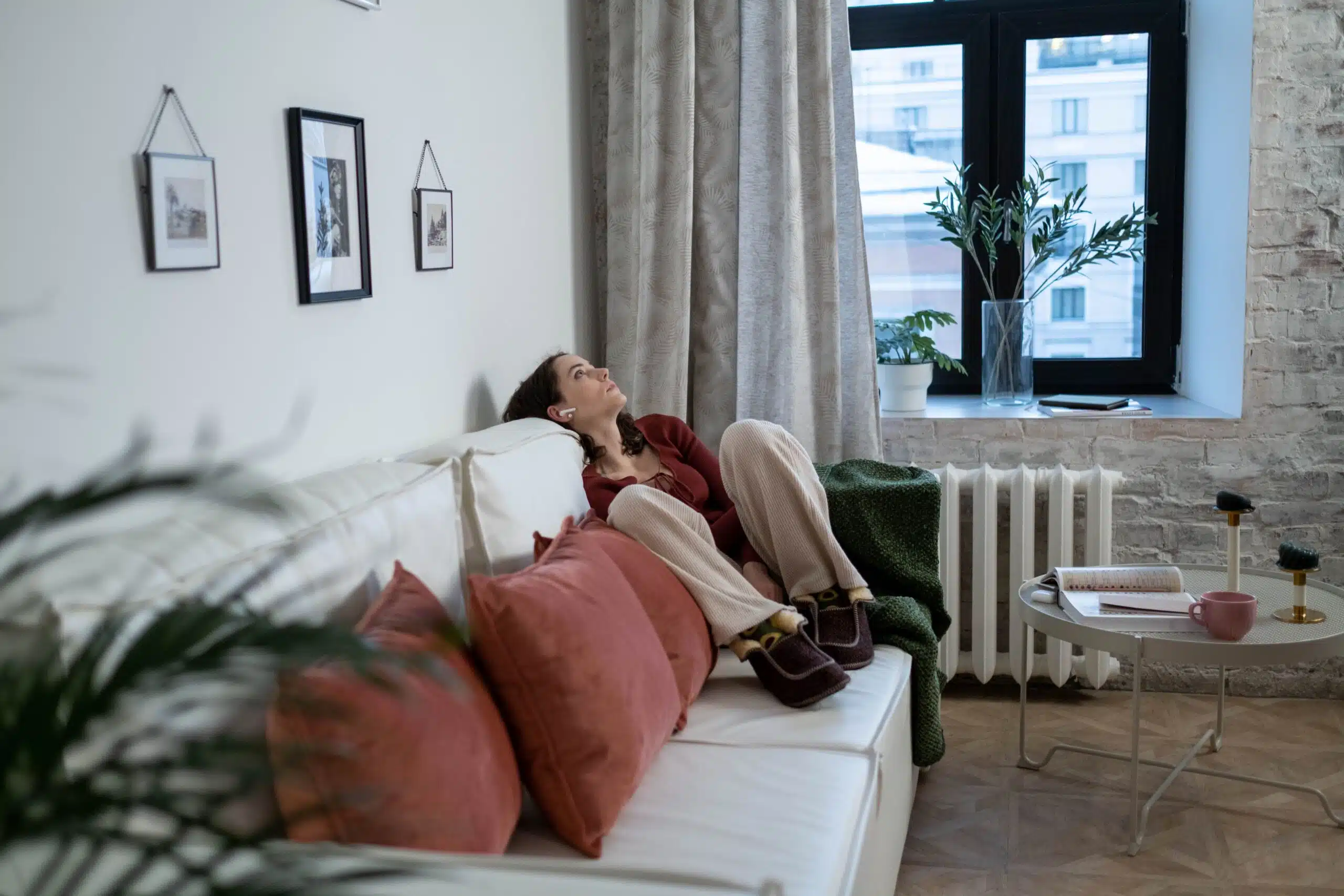
You have tried the early night. You have tried the day off. You have tried the solo coffee run where you sat in the parking lot for ten extra minutes just breathing. And somehow, none of it stuck.
If you are still exhausted after doing everything the internet told you to do, every single tip, every early night, every solo coffee run, I need you to hear this clearly. Rest does not fix burnout. Not because rest is useless, but because burnout was never actually a sleep problem to begin with. It is a nervous system problem, and those require a completely different kind of care.
This post is about why the standard advice keeps failing you, what is actually happening in your body when burnout sets in, and what your nervous system genuinely needs instead of one more early bedtime you cannot even fall asleep during, no matter how many times you set that alarm with good intentions.
Why Sleep Alone Was Never Going To Fix This
Sleep repairs the body, genuinely and importantly. It does very little, however, to resolve a nervous system that is stuck in a chronic state of high alert. You can sleep eight hours and wake up just as tightly wound as you were the night before, because sleep addresses fatigue, not dysregulation.
Burnout in motherhood is rarely just tiredness. It is a nervous system that has been scanning for the next need, the next interruption, the next small emergency, for so long that it forgot how to fully stand down. You can rest your body and still leave your nervous system on high alert the entire time.
That gap is exactly why an early night can leave you feeling almost as depleted as the day before it.
Think about the last time you actually got a full night of sleep, uninterrupted, the way every wellness article promises will fix everything. Did you wake up calm. Or did you wake up already bracing for the first request of the day, already scanning for what needed you before your feet even hit the floor. If it was the second one, that is not a sleep problem. That is a nervous system that never actually got the message it was allowed to power down.

The Difference Between Tired And Touched Out
There is a real, important difference between ordinary tiredness and the deeper depletion that shows up as burnout, and most rest advice completely conflates the two.
Tired is what a good night of sleep actually fixes. Touched out, overstimulated, dysregulated, that is a different animal entirely. It lives in your body, not just your energy levels, and it responds to completely different kinds of care.
I wrote a full breakdown of the difference between tired and touched out and why it actually matters, because understanding which one you are dealing with changes everything about how you try to recover from it.
What Your Nervous System Actually Needs
If sleep alone will not do it, what will? The honest answer is regulation, not rest. Your nervous system needs signals that it is actually safe to stand down, not just fewer hours awake.
That can look like several things.
- Physical movement that discharges built up tension, even just a few minutes of it.
- Deep, slow breathing that actively signals safety to your body.
- Time completely alone, without anyone touching you or needing anything from you.
- Predictable, low stimulation moments that let your senses finally quiet down.
- Genuine connection with another adult who does not need anything from you in that moment.
None of these require a spa day or a week away. Most of them take less time than the naps that never actually seem to help.
The reason these small practices work is not magic. It is biology. Your nervous system takes its cues from your body, not the other way around. Slow, deliberate breathing physically signals to your brain that the threat has passed, even when nothing about your schedule has actually changed. A few minutes of that signal, repeated consistently, does more for genuine recovery than an entire unconscious night of sleep spent half braced for the next interruption.

Why Your Body Feels Like It Is Not Yours Anymore
Part of why rest alone fails so completely is that burnout often comes bundled with something deeper, a sense that your own body has stopped feeling like it belongs to you. Touched all day, needed constantly, never fully alone in your own skin.
That feeling does not resolve with sleep. It resolves with reclaiming small, consistent moments where your body genuinely belongs to you again, even briefly.
It is a strange thing to have to relearn as an adult, that your own body is allowed to be yours. Motherhood asks so much of it, for so long, that the idea of it belonging to you again can feel almost foreign at first. That does not mean it is gone for good. It just means the reclaiming has to happen deliberately, in small doses, until it starts to feel true again.
If that sensation of disconnection from your own body sounds familiar, I wrote an entire post about why your body feels like it does not belong to you anymore, and it goes much deeper into why this particular kind of exhaustion resists ordinary rest so stubbornly.
The Dinner Table Moment That Showed Me How Empty I Actually Was
I want to tell you about a very ordinary evening that taught me more about my own depletion than months of trying to sleep my way back to feeling okay.
I was sitting at the dinner table, nothing dramatic happening around me. My boyfriend came up behind me and put his hand gently on my shoulder. I pulled away before I even registered I was doing it. We both froze. Both a little shocked.
That was the moment I understood how empty I actually was. Not tired empty. Touched out, overstimulated, nervous system fried empty. No amount of sleep the night before had prevented that reflex, because sleep was never going to be the thing that fixed it.
Why Chronic Stress Rewires What Rest Even Means
When your nervous system stays activated for long enough, it starts to recalibrate what feels normal. Rest itself can start to feel unfamiliar, even slightly uncomfortable, because your body has forgotten what true safety actually feels like.
This is part of why so many burned out moms describe feeling almost guilty or restless during genuine downtime. Your body is not used to standing down, so when it finally gets the chance, it does not quite know what to do with the quiet.
You sit down for five minutes and immediately think of three things you should be doing instead. That restlessness is not laziness catching up with you. It is a nervous system so unfamiliar with true rest that stillness itself starts to register as slightly threatening, simply because it is unfamiliar territory.
Depleted mother syndrome describes this exact pattern, a level of exhaustion so chronic that the ordinary word burnout stops covering it. If that sounds like where you are, I wrote more about depleted mother syndrome and what makes it different from run of the mill tiredness.

Small Regulation Practices That Actually Work
You do not need an hour long routine to start regulating your nervous system. Small, repeatable practices done consistently tend to work far better than one big gesture done occasionally.
Try placing one hand on your chest and one on your stomach for sixty seconds, breathing slowly into both. Try stepping outside for two minutes without your phone, just letting your senses reset in natural light. Try naming out loud, even quietly, exactly what you are feeling in your body right now.
These tiny practices work because they are consistent, not because they are big. Your nervous system responds to repetition far more than it responds to one dramatic reset that happens once a season.
If you want something structured to actually hold you through this kind of regulation, in the moment, without needing to figure it out from scratch every time, I built something small specifically for this. It walks your body through releasing tension when you feel stuck in your head or completely wound up. If today is one of those days, the 2 Minute Body Reset is free and takes almost no time at all.
What Recovery Actually Looks Like
Real recovery from burnout does not look like a single restorative weekend. It looks like small, boring, consistent moments of regulation stacked over weeks and months, slowly teaching your nervous system that safety is possible again.
It looks like noticing when you are dysregulated instead of pushing through it. It looks like protecting tiny pockets of genuine quiet instead of waiting for a big block of free time that never actually arrives.
It also looks like lowering the bar for what counts as recovery in the first place. You do not need a spa weekend to make progress. You need three honest minutes, taken consistently, more than you need one perfect afternoon you never actually manage to schedule.
I wrote a fuller picture of what mom burnout recovery actually looks like in practice, because it rarely resembles the dramatic reset everyone imagines, and knowing that in advance can save you a lot of disappointment.
Recovery, in the way that actually works, tends to be quiet and unglamorous. Nobody posts about it online because it does not photograph well. It just slowly, steadily works.
Rest Was Never The Whole Answer
You are not failing at rest. Rest was simply never going to solve a problem that lives in your nervous system rather than your sleep schedule.
Give yourself permission to stop chasing the early night as the fix and start noticing what your body actually needs in the smaller moments throughout your day. That shift alone will take you further than another exhausted attempt at an early bedtime ever could.
It might feel counterintuitive at first, spending two minutes on a breathing exercise instead of collapsing straight into bed. Trust it anyway. Your nervous system has been asking for regulation, not just sleep, for a long time now.
If tonight your body just needs two minutes to come back down, that same free 2 Minute Body Reset is there whenever you need it. You are not broken. You are just finally looking for the fix in the right place, one small and honest minute at a time. 💛