
Calming Techniques for Kids: Simple Ways to Help Children Feel Safe and Regulated
How do calming techniques for kids actually work when emotions take over so fast? One moment your child is building Lego towers or eating a snack, and the next there’s yelling, tears, or that quiet shutdown that feels even scarier. If you’ve ever stood there thinking, I’m saying the right things… so why isn’t this helping? you’re not alone.
What finally clicked for me was realizing that emotional regulation in children isn’t a choice problem. It’s a development thing. Kids are still building the brain pathways that handle impulse control, stress, and self regulation, and that process stretches well into the teen years. So when a child melts down, it’s not defiance. It’s their nervous system waving a white flag.
Once I stopped trying to “fix” the moment and focused on calming support instead, everything shifted. Breathing exercises, body-based calming techniques, and simple sensory tools started working, not instantly, but consistently. These calming techniques for kids are about teaching safety first, not obedience.
This guide shares practical, age-appropriate ways to help kids calm down that I wish I had learned sooner. No punishments. No lectures mid-meltdown. Just realistic tools that help children feel regulated, supported, and capable over time.
Feel Lighter in Minutes, Even on the Heaviest Days
RESET is a simple calming ritual that helps tired moms unload mental overwhelm, regulate their nervous system, and return to the day with clarity and steadiness.Why Kids Struggle to Calm Down
Why do calming techniques for kids seem to fail right when you need them most? I used to think my child knew how to calm down and was just choosing not to, which honestly made everything feel more frustrating. What I didn’t understand yet was how unfinished the brain really is in those moments.
Emotional regulation in children depends heavily on the prefrontal cortex, and that part of the brain is still under construction for years. When emotions spike, the thinking brain goes offline fast. So expecting reasoning or logic during a meltdown was a setup I kept repeating, and yeah, it never worked.
The nervous system plays a huge role here. When kids feel overwhelmed, their bodies jump into fight, flight, or freeze without asking permission. That can look like yelling, running away, hitting, or going totally quiet, and none of it is planned behavior.
I learned the hard way that logic doesn’t land during emotional overwhelm. Explaining, negotiating, or asking questions usually made things worse. The body needs to feel safe before the brain can listen, and I ignored that for way too long.
What helped was reframing behavior as communication. Big reactions usually meant unmet needs, sensory overload, or emotional exhaustion. Once I started responding with calming support instead of correction, the intensity eased faster.
Here’s what actually made a difference for us:
- Regulate the body first with breathing exercises or deep pressure
- Lower stimulation by reducing noise, light, or verbal input
- Stay close and calm, even when nothing seemed to help yet
Understanding why kids struggle to calm down changed how I showed up. The goal stopped being control and became connection, and that’s when calming techniques for kids finally started to stick.
Signs Your Child Needs Calming Support
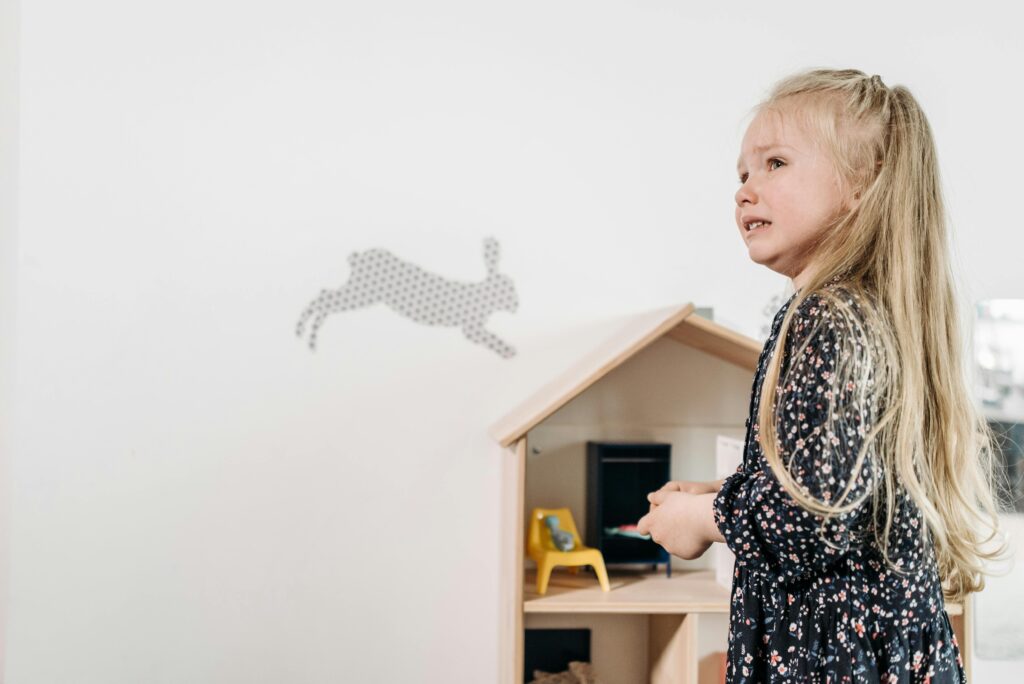
I used to wait for the big meltdown before stepping in with calming techniques for kids, like that was the official signal something was wrong. Over time I realized the signs showed up way earlier, I just didn’t know what I was looking at yet. Once I started noticing the patterns, everything made more sense.
Emotional outbursts were the obvious ones. Yelling, crying, throwing things, all of that was easy to label as a problem. What I missed was that withdrawal and shutdown can be just as loud, even though they’re quiet.
Avoidance showed up in sneaky ways. Suddenly not wanting to go somewhere they usually enjoyed, freezing during transitions, or getting “stuck” over small decisions. Difficulty focusing was another clue, especially when tasks that were normally easy became overwhelming out of nowhere.
The physical signs surprised me the most. Stomachaches before school, random headaches, or complaints of feeling tired all the time often had nothing to do with illness. The body was carrying stress before the emotions ever came out.
Then there was the irritability. Everything felt like a trigger. Increased clinginess, snapping at siblings, or aggressive behavior that didn’t match the situation were clear signals the nervous system was overloaded.
What helped me catch these signs earlier:
- Watch for changes, not just extreme behavior
- Notice patterns around transitions, hunger, or sensory overload
- Take physical complaints seriously, even when tests show nothing
Recognizing when a child needs calming support isn’t about labeling behavior as bad. It’s about reading the signals and offering regulation before things boil over. That’s where calming techniques for kids do their best work.
Calming Techniques for Kids at Home
Calming techniques for kids started working better at home once I stopped treating calm like a reaction and more like part of the environment. I used to jump in only after emotions exploded, which felt backwards but I didn’t know another way. Turns out, the setup matters more than the rescue.
Predictable routines were the biggest shift. Nothing fancy, just knowing what comes next helped my child’s nervous system relax a notch. Morning flow, after school rhythm, bedtime order, all of it created safety without me saying a word.
Quiet spaces helped too, once I stopped calling them time out. A calming corner with soft pillows, low light, and familiar items became a place to reset, not a place to be sent. Sometimes it was used, sometimes not, but knowing it existed mattered.
Gentle sensory activities did more than I expected. Weighted blankets during reading time, soft fabrics to fidget with, even warm socks after a long day. These things grounded the body when emotions felt floaty and out of control.
We leaned into slow activities when things felt off:
- Reading familiar books, not new ones
- Drawing or coloring, no instructions attached
- Calming music, same playlist every time
Modeling calm was the hardest part, honestly. I wanted quick results and calm myself wasn’t always available. But when I slowed my voice, softened my movements, and regulated my own breathing, the room changed. Not instantly, but enough to notice.
Calming techniques for kids at home work best when calm is woven into daily life, not saved for emergencies. The house doesn’t need to be silent or perfect. It just needs to feel safe enough to land.
Breathing and Body-Based Calming Techniques for Kids
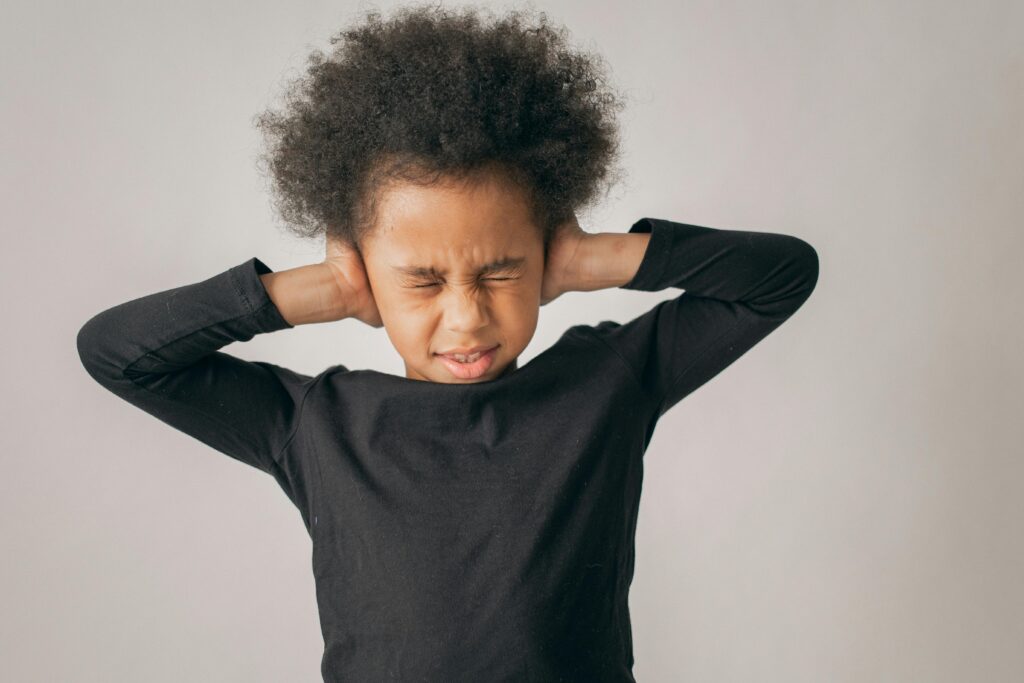
Breathing techniques for kids sounded almost too simple when I first heard about them. I remember thinking, There is no way breathing is going to touch this level of chaos. But when emotions are high, the body is actually the fastest way in, not words. That part took me a while to accept.
Belly breathing was the first thing that stuck. Not because I explained it well, but because we practiced it when nobody was upset. We used balloon breathing, hands on the belly, slow inhale to “fill the balloon,” slow exhale to let it shrink. During real meltdowns, sometimes it worked, sometimes it didn’t, but over time the familiarity mattered.
For younger kids, animal breathing worked better than anything that sounded instructional. Snake breaths, dragon breaths, slow bear breaths, suddenly it felt like play instead of regulation work. And play lowers defenses fast.
Progressive muscle relaxation was another surprise win. Tighten your fists like you’re squeezing lemons, then let them go. Scrunch your shoulders up to your ears, then drop them. Kids feel the difference immediately, even if they can’t explain it.
We also leaned hard into movement:
- Slow stretching, especially legs and arms
- Wall push-ups or gentle floor pressure
- Rocking or swaying, which calms the nervous system
Grounding through physical sensations helped bring kids back when emotions felt overwhelming. Cold water on hands, bare feet on the floor, holding something textured. Simple stuff, nothing fancy.
What I learned is this: breathing and body-based calming techniques for kids aren’t about stopping emotions. They help the body feel safe again, and once that happens, calm has somewhere to land.
Emotional Regulation Tools Kids Can Learn
Emotional regulation tools for kids didn’t really click for me until I realized my child wasn’t ignoring their feelings, they just didn’t have words yet. I kept asking questions like “Why are you so upset?” and got silence or yelling back. That wasn’t defiance. It was a lack of language.
Naming emotions using age-appropriate words changed everything. Instead of jumping straight to “angry” or “sad,” we started smaller. Words like frustrated, disappointed, worried, or overwhelmed gave shape to feelings that used to spill out sideways. Sometimes the word was wrong, and that was okay. The act of trying mattered more.
Emotion charts and feelings wheels helped when words disappeared. Having visuals nearby made emotions feel less abstract, especially during high stress moments. Some days they were ignored completely, other days they were a lifeline.
Teaching kids to notice body signals was slower but powerful. We talked about tight tummies, hot faces, shaky hands. Once kids can spot those early signs, regulation becomes possible before things explode. Not perfect, but better.
The biggest lesson was this: co-regulation comes first. Kids borrow calm before they can create it themselves. Sitting nearby, matching breathing, staying steady even when I felt anything but calm. Self-regulation grew out of that safety, not lectures.
What worked best in everyday life:
- Naming emotions out loud, even my own
- Connecting feelings to body sensations
- Talking emotions during calm moments, not meltdowns
Building emotional vocabulary didn’t require special lessons. It happened in car rides, bedtime chats, and messy moments. Emotional regulation tools for kids stick when they’re woven into real life, not saved for teaching moments only.
Sensory Calming Techniques for Kids
Sensory calming techniques for kids were something I brushed off at first. It sounded like an extra layer I didn’t have time for, and honestly, I didn’t fully get how much the senses affect emotional regulation. Once I paid attention, I couldn’t unsee it.
Deep pressure and heavy work were game changers. Carrying groceries, pushing against a wall, pulling a loaded laundry basket across the floor. These activities gave the body strong input and helped settle the nervous system fast. It wasn’t about burning energy, it was about organizing it.
Tactile tools worked best when they were simple. Stress balls, putty, kinetic sand, even a smooth stone in a pocket. Having something to squeeze or manipulate gave restless hands a job, which reduced emotional overflow more than I expected.
Visual calming tools helped during downtime. Lava lamps, slow moving videos of fish tanks, or watching clouds drift by. Fast screens made things worse, slow visuals brought the body down a notch.
Sound mattered more than I realized. White noise at bedtime, gentle nature sounds, or the same calm playlist during transitions made the environment predictable. Silence sometimes felt too loud, especially after busy days.
What I had to learn was that sensory needs are personal. One child craves pressure, another avoids touch. One finds noise soothing, another gets overwhelmed by it. There’s no universal calm.
What helped us figure it out:
- Notice what calms vs. what escalates
- Offer options, not demands
- Respect sensory limits, even when they seem odd
Sensory calming techniques for kids work best when you stop trying to force calm and start listening to the body’s preferences. Once the senses feel supported, emotions follow more easily.
Calming Techniques for Kids at School or in Public
Calming techniques for kids get trickier outside the house, mostly because everything feels louder, faster, and less forgiving. I used to assume school meltdowns or public overwhelm meant the tools weren’t working. What I learned instead is that kids need portable calm, not perfect behavior.
Backpack tools helped more than I expected. A small stress ball, a smooth rock, a strip of textured fabric tucked into a pocket. Nothing flashy. Just something familiar that gave their hands a job when emotions started rising.
Breathing exercises had to be discreet or they wouldn’t be used. Big dramatic breaths drew attention, which made things worse. Slow nose breathing, counting breaths quietly, or pretending to blow up a tiny invisible balloon worked better in real life.
Movement breaks were essential, especially between tasks. Sitting still for long stretches overloaded the nervous system fast. Standing up to stretch, wall push-ups, walking to get a drink, those small movements reset focus without disrupting the whole class.
Visual reminders helped when words disappeared. Simple cue cards with pictures, a small symbol taped inside a desk, or a reminder on a folder. These worked because they didn’t require asking for help in the moment.
Partnering with teachers mattered more than any tool. Once we shared what helped and what didn’t, consistency improved everything. Kids calm faster when the response feels familiar across settings.
What actually worked in public spaces:
- Prepare tools ahead of time, not mid-crisis
- Practice skills at home, then generalize
- Keep expectations realistic
Calming techniques for kids outside the home aren’t about preventing every hard moment. They’re about giving kids quiet support they can carry with them, even when you’re not right there.
What to Avoid When Trying to Calm a Child
Some of the biggest lessons I learned about calming techniques for kids came from doing things that absolutely did not work. I said “calm down” more times than I can count, usually while feeling anything but calm myself. It never helped. It actually made things escalate faster, like throwing a match on already lit emotions.
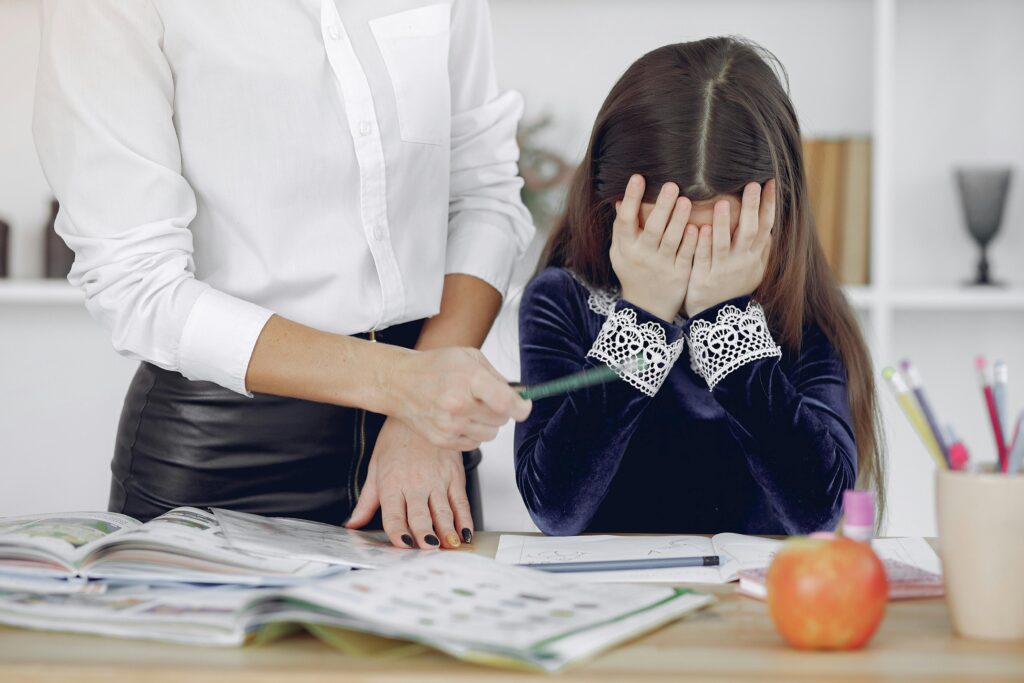
Telling kids to calm down backfires because it asks the impossible. When a child is emotionally overwhelmed, their nervous system is in charge, not their thinking brain. They hear pressure, not guidance, even if your tone is gentle.
Punishment during emotional overload was another mistake. Time outs, taking things away, raising consequences, all of it taught compliance maybe, but not regulation. Kids can’t learn calming skills while their bodies feel unsafe.
I also rushed emotional processing way too often. Asking for apologies, explanations, or lessons while tears were still flowing only prolonged the meltdown. Emotions need time to crest and fall before meaning can be made.
Rewards seemed like a good idea until I noticed the downside. Stickers, points, or treats might stop a behavior in the moment, but they don’t build internal regulation. Calm becomes something kids perform, not something they feel.
What helped me shift:
- Pause before reacting, even when it’s hard
- Focus on connection first, correction later
- Allow emotions to pass without fixing them
Staying connected instead of controlling changed everything. Sitting nearby, offering presence, keeping my voice steady. Calming techniques for kids work best when children feel supported, not managed. Connection creates safety, and safety is what allows calm to return.
Teaching Calming Skills Before Big Emotions Hit
Teaching calming techniques for kids finally started to work when I stopped waiting for big emotions to show up. Trying to introduce new skills in the middle of a meltdown was a losing game, and I played it for way too long. Calm has to be practiced when things are already okay.
Neutral moments became our training ground. Car rides, bath time, bedtime, those low-pressure pockets where no one was dysregulated. Practicing breathing, stretching, or naming emotions there made the tools familiar, not threatening.
Turning calming techniques into play helped remove resistance. Breathing like animals, freezing and melting our bodies, pretending to be balloons or statues. When regulation feels like a game, kids participate without realizing they’re learning something important.
Emotional routines worked better than one-off lessons. The same calming song before bed. The same breathing before homework. Repetition built predictability, and predictability builds safety fast.
Connection stayed at the center of all of it. Calm stuck when kids felt supported, not tested. Sitting together, doing the skill side by side, showing that I needed regulation too. That mattered more than perfect execution.
What helped kids trust their own coping skills:
- Practice skills when calm, not overwhelmed
- Keep it playful and low-pressure
- Repeat often without forcing
Over time, kids started reaching for these tools on their own. Not every time, not perfectly, but enough to notice. Teaching calming skills before big emotions hit gives kids confidence that they can handle hard moments, and that confidence carries them through when emotions get loud.
Conclusion
Calming techniques for kids aren’t meant to stop emotions on demand. They’re meant to build a sense of safety that lives in the body, not just in the moment. When children are supported through big feelings instead of rushed or shamed, they learn that emotions are manageable, not something to fear or fight.
What I’ve seen again and again is that regulation grows through relationship. Kids don’t learn calm by being told what to do. They learn it by being guided, modeled, and supported until their nervous system recognizes what safe feels like. That sense of safety becomes the base they return to as they grow.
You don’t need to do everything at once. Start small. Choose one calming technique for kids that fits your child and your family. Practice it together during calm moments, without pressure. Let it become familiar.
Over time, those small moments of support stack up. They turn into confidence, emotional awareness, and resilience that carry far beyond childhood. Big feelings will still come, but your child will know they’re not alone and that makes all the difference.